

HOW TO TELL IF GOLD IS REAL: A COMPLETE GUIDE TO TESTING, MARKINGS, & PROFESSIONAL EVALUATION
If you are wondering how to tell if gold is real, it is important to understand the differences between gold types and how authenticity is verified. Gold markings and simple at home tests can offer clues, but they are not always definitive.
This guide covers gold purity, karat stamps, and both basic and advanced testing methods to help you accurately evaluate jewelry, scrap gold, or bullion and protect your value.
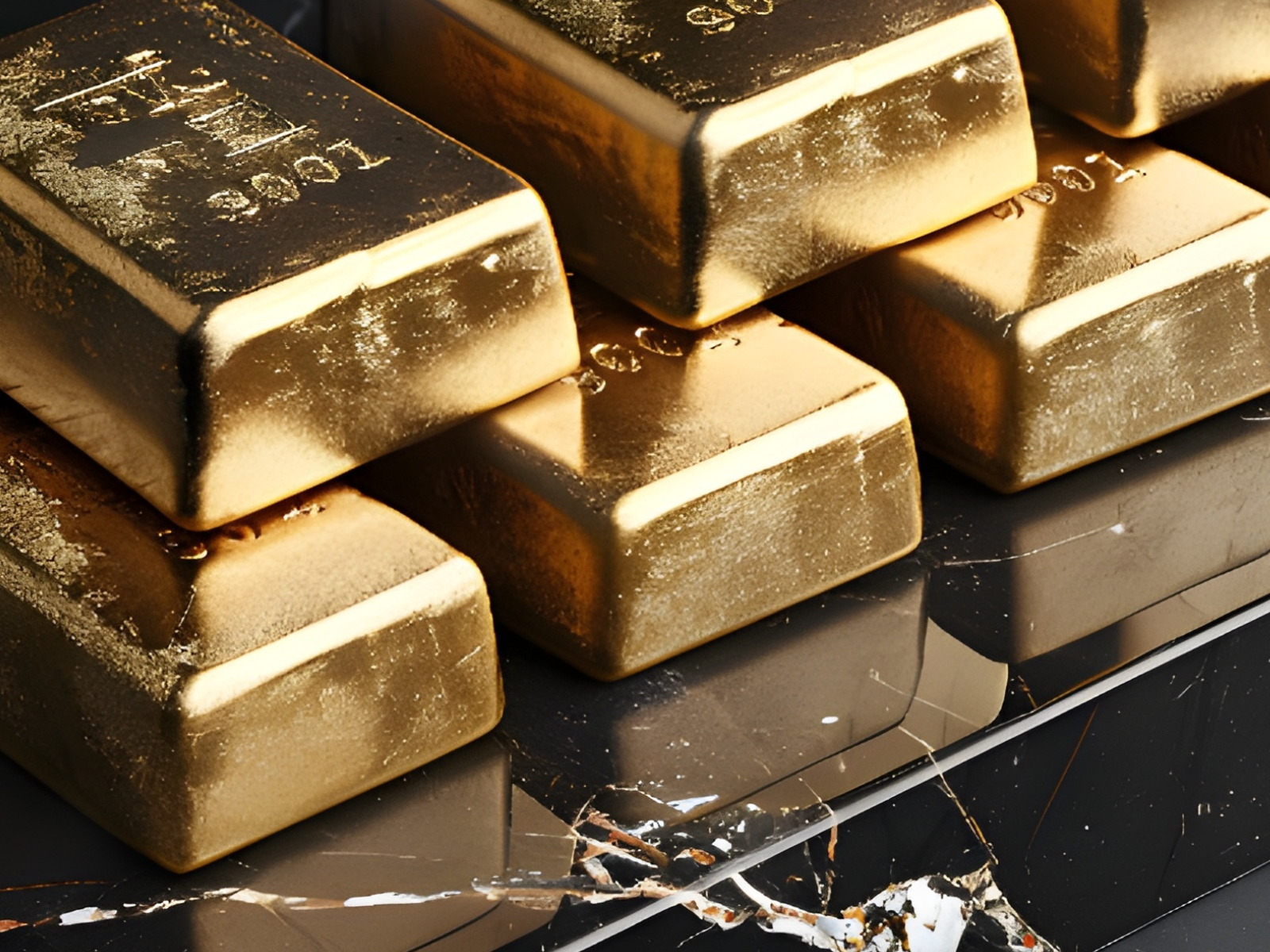
Understanding Gold Purity & Markings
Gold purity is the measurement of how much pure gold is present in the metal compared to other metals like copper, silver, nickel, and zinc, which are typically added for strength and durability. The higher the gold content, the softer the metal. Because pure gold is more prone to dents and scratches, it is often alloyed with other metals to improve durability, especially in everyday jewelry.
Gold is measured in karats (K), with:
- 24K / 999 = 99.99% pure gold
- 18K / 750 = 75% gold
- 14K / 585 = 58.5% gold
- 10K / 417 = 41.7% gold
Each karat level offers a different balance of appearance, durability, and value. 18K gold provides a rich color while maintaining durability, 14K gold is extremely popular in the United States for its strength and affordability, and 10K gold is the minimum karat legally allowed to be sold as gold in the U.S. Stamps found on gold jewelry and other items indicate the metal’s purity. Three-digit numbers represent gold purity in parts per thousand (e.g., 750 = 75.0% gold).
Not all gold-colored items are solid gold. Certain markings indicate the type of gold used, and items stamped with these letters contain significantly less gold than solid gold pieces. These items are valued differently during refining.
The value of gold should not be based solely on stamps and markings. These should be used as reference points rather than definitive answers. Gold valuations are influenced by actual metal content, condition, weight, and market conditions, and can only be confirmed through proper testing. When refining gold, payout is based on the actual gold content, not the total weight or stamped markings. For example, a 14K ring and an 18K ring may weigh the same but yield very different returns. That’s why proper identification, accurate testing, and transparent refining processes are crucial for maximizing value.
Common Gold Fakes & Different versions of gold
- Gold-plated vs. solid gold:
- Gold-plated (GP OR HGE) refers to an inexpensive base metal coated with melted gold, typically containing less than 1% of gold. It is the least expensive and lowest-quality option. Over time, the plating it will wear and tarnish.
- Solid gold contains gold alloy throughout the entire piece. There is no surface plating. Because of this, it does not peel or flake, making it a more premium and durable option.
- Gold-filled vs. rolled gold
- Gold-filled (GF) consists of gold mechanically bonded to a base metal such as brass or bronze. It typically contains about 5% solid gold and contains significantly more gold than gold-plated items.
- Rolled gold is similar to gold-filled in that it contains mechanically bonded gold over a base metal such as brass or copper. However, it must contain at least 10 karats of gold bonded to the surface.
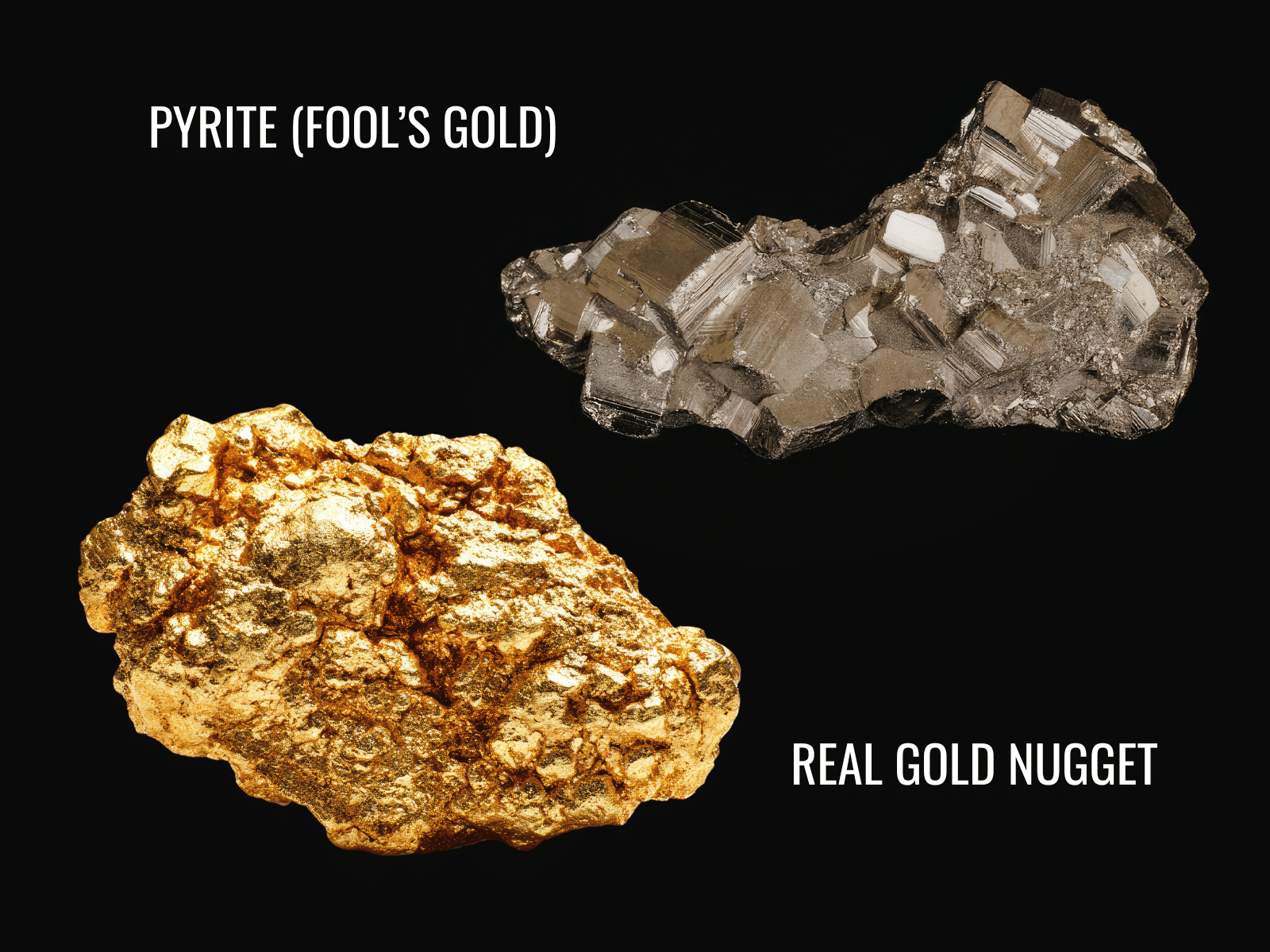
- Pyrite (“fool’s gold”) vs. real gold
- Pyrite is an iron sulfide mineral with a metallic luster and pale brass-yellow hue that can change in low light. It is harder than gold and can scratch glass, but it is brittle and may shatter or crumble under pressure. When scratched, it can emit a sulfur or “rotten egg” smell.
- Real gold has a consistent bright yellow color that remains shiny in all lighting conditions. It is soft, pliable, and easily scratched. Gold is also very dense and significantly heavier than most metals of similar size. Unlike pyrite, gold is odorless.
- Tungsten core counterfeits
- One of the more convincing gold counterfeits involves bars or coins that are thickly plated in gold but contain a tungsten core. Tungsten has a density similar to gold, making these fakes more difficult to detect. Advanced testing methods are typically required to properly identify them.
Simple At-Home Tests
- Visual Test
- Color: Real gold should be bright yellow with a warm tone. If it appears grayish or dull, it may not be real gold.
- Check the markings: Authentic gold pieces typically include a stamp indicating purity.
- Signs of damage: Real gold should appear smooth and polished. If it is flaking, peeling, or heavily discolored, it is likely not solid gold.
- Feel the weight: Gold is heavier than most other metals. If the item feels unusually light, it may not be genuine.
- Magnet Test
- Gold is not magnetic. However, some metals commonly mixed with gold, such as iron, nickel, or cobalt, are magnetic. If an item is strongly attracted to a magnet, it likely contains other metals.
- If the item is not attracted to a magnet, this does not automatically confirm purity. Additional testing is required for accuracy.
- Float Test
- This is a simple, non-destructive test. Place the gold item into a glass of water. If it sinks, it may be real gold due to its high density. If it floats or hovers, it is likely not pure gold.
- Ceramic Scratch Test
- Gently drag the item across unglazed ceramic. Real gold leaves a golden or slightly yellow streak. Fake gold often leaves a black or gray streak, indicating base metals beneath the surface.
- Skin Test
- If jewelry leaves green or black marks on your skin after wearing it, it likely contains base metals rather than solid gold.
Advanced Tests and Tools
- Acid Test: This process involves scratching the gold onto a testing stone and applying nitric acid. The resulting chemical reaction helps determine purity or authenticity. Proper ventilation is required, and if performed incorrectly, the process can damage jewelry. This test may not always distinguish between gold-plated and solid gold.
- Electronic Gold Testers: These devices use electrical conductivity to estimate the fineness of gold and determine whether an item contains gold. They are non-destructive and generally reliable, but not always definitive. Electronic testers may not determine the exact fineness of a gold-based alloy.
- XRF (X-ray Fluorescence) Testing: A professional, non-destructive, and highly accurate analytical method used by jewelers and refiners to determine elemental composition and analyze metal purity.
The Importance of Precision Testing and Choosing the Right Refining Partner
In conclusion, understanding gold purity and markings is essential to determining true value. While at-home tests can provide initial insight, they should not replace professional analysis. Because payouts are based on actual precious metal content, accurate testing is critical. Working with a trusted professional refiner ensures your gold is properly evaluated and valued correctly.
When it comes to refining, test wisely and seek professional guidance when needed. Choosing the right refiner is not just about convenience; it is about confidence. With the right expertise behind your evaluation, you can move forward knowing your gold has been assessed with integrity and precision.
At Core Scientific, advanced testing methods such as fire assay, ICP-MS plasma, atomic absorption, and precise evaluation processes ensure that your gold is accurately identified and fairly assessed. Transparency, accuracy, and expertise protect your investment and maximize your return.



